The Case for Housing Liberalization: Unlocking Affordable Housing for All
In cities across the globe, a crisis looms large: the inability of countless individuals and families to secure affordable housing.

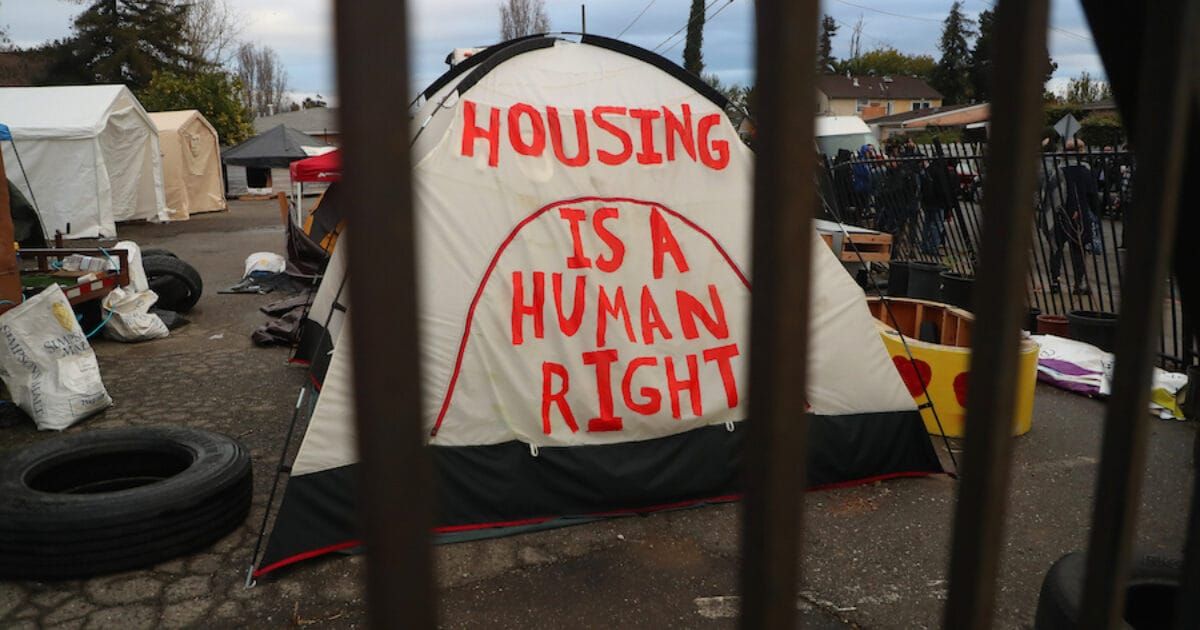
In cities across the globe, a crisis looms large: the inability of countless individuals and families to secure affordable housing. From young professionals priced out of urban centers to long-time residents facing displacement, the effects of this crisis ripple through communities, economies, and lives. As policymakers and citizens grapple with this challenge, one solution stands out for its potential to address the root causes of housing scarcity and unaffordability: housing liberalization.
At its core, housing liberalization refers to the reduction or removal of restrictive regulations that govern housing development and use. These regulations, often well-intentioned, have accumulated over decades, creating a complex web of rules that frequently stifle new construction and limit housing options. By liberalizing these policies, we can unlock the potential for a more dynamic, responsive housing market that better serves the needs of all residents.
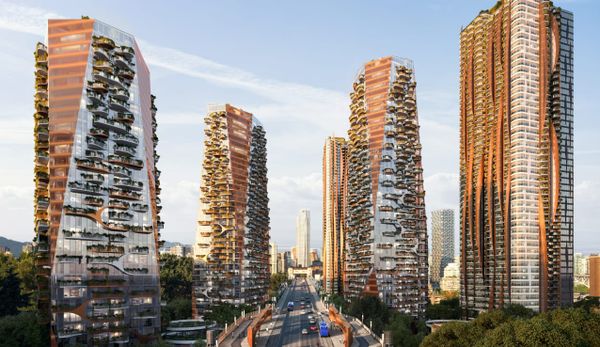
The benefits of housing liberalization are manifold and far-reaching. Perhaps most critically, it promises to increase housing supply by reducing barriers to construction and encouraging the development of diverse housing types. In many urban areas, zoning laws and building codes severely limit where and what type of housing can be built. By relaxing these restrictions, cities can open up new possibilities for development, from high-density apartment buildings in transit-rich areas to modest duplexes in traditionally single-family neighborhoods. This increased supply is the cornerstone of improved affordability, as it helps to address the fundamental imbalance between housing demand and available units.
Moreover, a liberalized housing market fosters greater competition among developers and landlords, putting downward pressure on prices and rents. When artificial constraints on supply are removed, the market can more efficiently respond to demand, leading to a wider range of housing options at various price points. This doesn't just benefit those seeking affordable housing; it creates a more fluid market that can accommodate diverse needs and preferences across the income spectrum.
The economic impacts of housing liberalization extend beyond housing affordability. A revitalized construction industry can be a powerful engine for job creation and economic growth. From architects and engineers to construction workers and real estate professionals, a boom in housing development can support a wide range of well-paying jobs. Furthermore, when people spend less on housing, they have more disposable income to invest in local businesses and services, creating a virtuous cycle of economic activity.
Perhaps less tangible but equally important are the social benefits of housing liberalization. By making it easier for people to live in areas of their choosing, we can enhance social mobility and reduce segregation. When affordable housing options are available in high-opportunity neighborhoods, families gain access to better schools, job opportunities, and public services. This can help break cycles of poverty and promote more integrated, diverse communities.
Of course, the path to housing liberalization is not without challenges. Critics often raise concerns about preserving neighborhood character, managing increased density, and ensuring that infrastructure keeps pace with development. These are valid considerations that require thoughtful policy responses. However, they need not be insurmountable obstacles. Many cities have successfully implemented liberalization measures while addressing these concerns through careful planning, community engagement, and targeted investments in public services and infrastructure.
To achieve meaningful housing liberalization, policymakers must be bold and comprehensive in their approach. This might include reforming zoning codes to allow for greater density and mixed-use development, streamlining permitting processes to reduce costs and delays, and creating incentives for the development of affordable housing units. Additionally, policies that encourage the renovation and efficient use of existing housing stock can complement new construction efforts.
In conclusion, housing liberalization represents a powerful tool for addressing one of the most pressing challenges facing our communities today. By unleashing the potential of the market to meet housing needs more efficiently and equitably, we can create cities that are more affordable, dynamic, and inclusive. The path forward may not be easy, but the potential rewards—in terms of economic vitality, social equity, and quality of life—are immense. As we look to the future, it's clear that liberalizing our approach to housing is not just desirable, but essential for building communities that truly work for everyone.