The Fight for a $15 Minimum Wage: Elevating Workers and the Economy
For decades, workers across the United States have been fighting for a livable wage. The current federal minimum wage of $7.25 an hour is not enough to support individuals, let alone families.


Introduction:
For decades, workers across the United States have been fighting for a livable wage. The current federal minimum wage of $7.25 an hour is not enough to support individuals, let alone families. Raising the minimum wage to $15 an hour is not just a necessity—it’s a moral imperative. It’s about ensuring that all workers can live with dignity, support their families, and contribute to the economy.
The Reality of Poverty Wages:
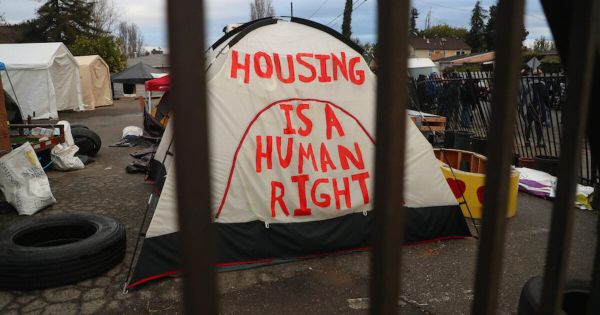
Millions of Americans are working full-time jobs yet still living in poverty. These are not just teenagers working part-time; they are adults, often supporting families, who cannot make ends meet on the current minimum wage. Rent, groceries, healthcare, and childcare costs continue to rise, but wages have remained stagnant. This disparity is not just unfair—it’s unsustainable.
The Benefits of a $15 Minimum Wage:
Raising the minimum wage to $15 would lift millions of workers out of poverty, providing them with the financial stability they need to thrive. When workers earn more, they spend more, stimulating local economies and driving growth. This isn’t just about economic fairness; it’s about creating a stronger, more resilient economy that works for everyone.
Addressing the Critics:
Opponents of raising the minimum wage often argue that it will lead to job losses or increased prices. However, studies show that these fears are largely unfounded. States and cities that have already implemented higher minimum wages have seen job growth, not job losses. Additionally, the increase in consumer spending from higher wages offsets any potential price increases. The reality is that businesses thrive when their workers are paid fairly.
A Matter of Justice:
The fight for a $15 minimum wage is a fight for justice. It’s about recognizing the value of all work, not just high-paying jobs. It’s about addressing the systemic inequalities that have kept wages low and workers struggling. By raising the minimum wage, we can begin to close the gap between the rich and the poor, and create a more equitable society.
Conclusion:
The movement for a $15 minimum wage is gaining momentum, but the fight is far from over. It’s time for policymakers to listen to the voices of the people and take action. Raising the minimum wage is not just an economic issue; it’s a moral one. It’s about ensuring that every worker in America can live with dignity and that no one who works full-time is forced to live in poverty. The time for action is now.