The Green Economy: A Pathway to Sustainable Growth and Equality


Introduction:
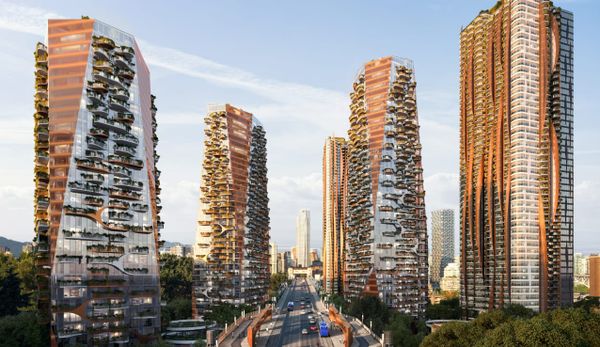
As the world grapples with the twin crises of climate change and economic inequality, the push for a green economy has never been more urgent. Transitioning to sustainable energy sources and industries is not just a matter of environmental responsibility; it’s an opportunity to create millions of good-paying jobs and reduce the stark inequalities that plague our society. A green economy offers a path to a future where prosperity and environmental stewardship go hand in hand.
The Environmental Imperative:
The effects of climate change are already being felt across the globe, with more frequent extreme weather events, rising sea levels, and devastating impacts on ecosystems. The current fossil fuel-based economy is unsustainable and poses an existential threat to life on Earth. By investing in renewable energy, sustainable agriculture, and green technologies, we can mitigate the worst impacts of climate change while creating a cleaner, healthier planet for future generations.
Economic Growth Through Sustainability:
Contrary to the argument that environmental regulations hinder economic growth, the green economy is a powerful engine for job creation and innovation. Renewable energy sectors like wind, solar, and geothermal are already among the fastest-growing industries in the world. By investing in these industries, we can create millions of new jobs that are both well-paying and environmentally sustainable. Moreover, a green economy reduces the long-term costs associated with pollution, healthcare, and climate-related disasters.
A Just Transition:
As we transition to a green economy, it is essential to ensure that no one is left behind. Workers in traditional industries, such as coal and oil, must be supported through retraining programs and guaranteed job opportunities in the new economy. A just transition recognizes the contributions of these workers and ensures that they benefit from the shift to a more sustainable economy, rather than being left to bear the brunt of it.
Addressing Economic Inequality:
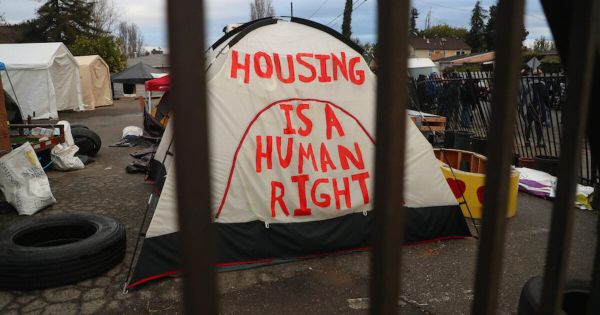
The green economy also offers a unique opportunity to address economic inequality. Low-income communities and communities of color have historically been the most affected by environmental degradation and the least likely to benefit from economic growth. By prioritizing green infrastructure projects in these communities, we can ensure that the benefits of the green economy are shared equitably. This includes access to clean energy, affordable housing, and green spaces.
Conclusion:
The transition to a green economy is not just a necessity; it’s an opportunity to build a better, fairer world. It’s about creating jobs that provide dignity and security, protecting our planet for future generations, and addressing the deep inequalities that have long divided us. The green economy represents a vision of sustainable growth where economic prosperity and environmental stewardship go hand in hand. Now is the time to embrace this vision and work together to make it a reality.