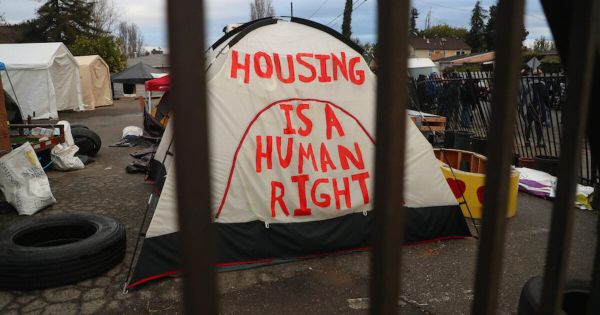
Affordable Housing for All: A Cornerstone of Social Justice
The housing crisis in America is not just a crisis of affordability—it’s a crisis of justice. As rents skyrocket and home prices soar, millions of Americans are being pushed out of their homes and into precarious living situations.


Introduction:
The housing crisis in America is not just a crisis of affordability—it’s a crisis of justice. As rents skyrocket and home prices soar, millions of Americans are being pushed out of their homes and into precarious living situations. Housing is a basic human need, yet for too many, it remains out of reach. To create a just society, we must ensure that everyone has access to safe, affordable housing. This is not just an economic issue; it’s a moral one.
The Scope of the Crisis:
The lack of affordable housing affects every corner of the country, from bustling cities to rural towns. Over half of renters spend more than 30% of their income on housing, with many paying upwards of 50% or more. This leaves little room for other necessities like food, healthcare, and education. Homelessness is on the rise, and even those with homes often live in substandard conditions. The housing crisis is a stark reminder of the deep inequalities in our society.
The Role of Government:
Government intervention is essential to solving the housing crisis. The market alone cannot provide affordable housing at the scale needed. We need bold policies that prioritize people over profits, including expanded funding for affordable housing programs, stronger tenant protections, and incentives for the construction of affordable units. Rent control, housing subsidies, and investment in public housing are crucial tools in this fight. Ensuring that housing is treated as a public good, not just a commodity, is key to addressing this crisis.
Social and Economic Benefits:
Affordable housing is not just a social good; it’s an economic one. When people have stable, affordable homes, they are healthier, more productive, and more engaged in their communities. Children in stable housing perform better in school, and adults are better able to find and keep jobs. Affordable housing also stimulates local economies, as people have more disposable income to spend on goods and services. Investing in affordable housing is an investment in the well-being of our society as a whole.
A Matter of Justice:
The housing crisis disproportionately affects marginalized communities—people of color, low-income families, and the elderly. These groups are more likely to be renters, more likely to live in substandard housing, and more likely to face eviction. Addressing the housing crisis is a matter of racial and economic justice. It requires us to confront the systemic inequalities that have long denied these communities equal access to safe, affordable housing.
Conclusion:
The fight for affordable housing is a fight for the soul of our society. It’s about ensuring that everyone, regardless of income, race, or background, has a place to call home. It’s about recognizing housing as a human right and taking bold action to make that right a reality for all. We cannot afford to wait any longer—our communities, our economy, and our moral standing depend on it. By prioritizing affordable housing, we can build a more just, equitable, and compassionate society.